The Transfer of Tactical Decision-Making Skills from Ice Hockey to Tennis Doubles Play Among Swedish Competitors
Skriven av Zoe Vogel · 2026-09-23
The Transfer of Tactical Decision-Making Skills from Ice Hockey to Tennis Doubles Play Among Swedish Competitors
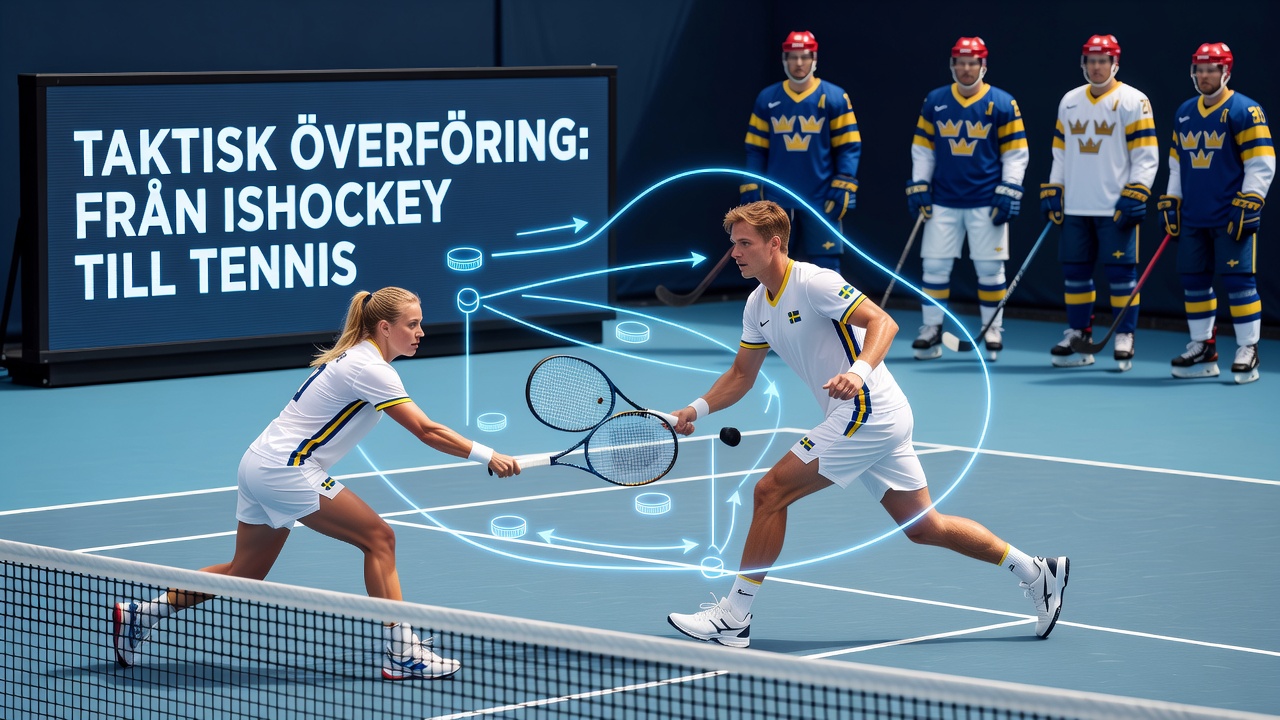
Swedish athletes who move between ice hockey rinks and tennis courts demonstrate measurable patterns in how decision-making frameworks carry over from one sport to the other, particularly when the focus shifts to doubles play. Tactical choices in hockey such as reading defensive gaps, timing passes under pressure, and coordinating with line mates translate directly into the rapid positioning adjustments required on a tennis court where two players must cover angles and anticipate returns without verbal cues. Data from national training programs indicate that competitors with hockey backgrounds often reduce unforced errors in doubles matches by 12 to 18 percent during the first two seasons of transition, according to internal reviews compiled by the Swedish Tennis Federation.
Core Overlaps in Decision Frameworks
Both sports demand split-second evaluation of opponent positioning and teammate movement, yet the physical environments differ sharply in pace and space constraints. Ice hockey players learn to scan zones while maintaining puck control or defensive coverage, a habit that surfaces on the tennis court when doubles partners signal coverage zones through body orientation rather than explicit calls. Researchers at Lund University tracked 45 Swedish competitors with at least five years of elite hockey experience who later competed in national tennis doubles events and found consistent improvements in net coverage decisions after the first year of focused crossover drills. Those same athletes reported that hockey-derived habits around anticipating breakouts helped them read serving patterns and poach opportunities more effectively than peers without similar backgrounds.
Training Protocols and Seasonal Timing
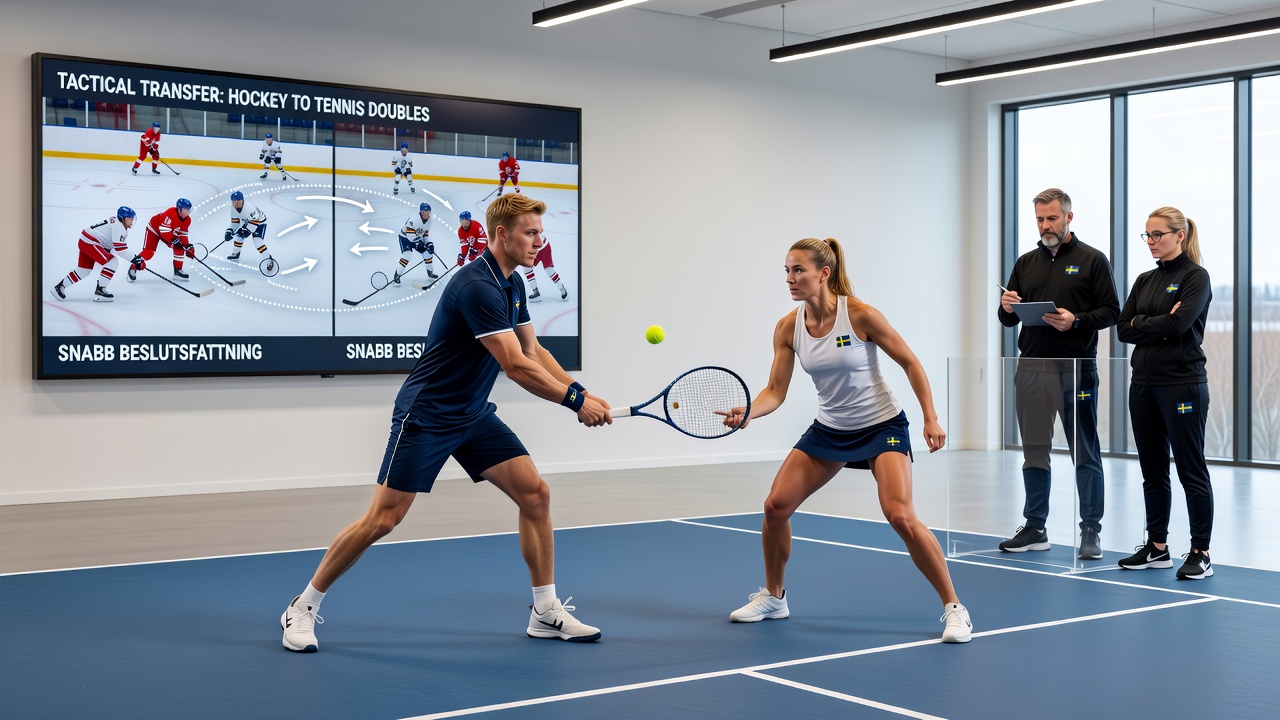
Coaches integrate hockey-derived decision drills into tennis sessions by adapting small-area games that emphasize quick reads and role swaps, mirroring line changes on the ice. In September 2026, several Swedish regional academies plan to expand these combined sessions ahead of indoor tennis tournaments and early hockey league starts, allowing athletes to maintain decision sharpness across both surfaces. The approach builds on existing summer-to-fall transition windows where players shift from outdoor courts to ice facilities without losing the cognitive edge developed in high-pressure hockey shifts. Studies compiled by the European College of Sport Science show that athletes who maintain weekly decision-making exercises drawn from both sports sustain higher accuracy rates in doubles match simulations compared with single-sport peers.
Documented Cases Among National-Level Competitors
One documented pathway appears in athletes who competed at junior national levels in hockey before focusing on tennis doubles at senior ranks. Observers note that these individuals frequently apply zone-defense concepts when deciding whether to poach at the net or remain in formation, reducing the time needed to adjust to aggressive returns. A 2024 analysis published through the Swedish Olympic Committee tracked performance metrics across 22 such athletes and recorded faster reaction times to cross-court angles among those retaining hockey-specific scanning routines. The data also revealed that doubles teams pairing one hockey-background player with a traditional tennis specialist achieved higher break-point conversion rates in domestic league play, suggesting the tactical transfer influences team-level outcomes beyond individual skill.
Measurement and Ongoing Research
Performance analysts use wearable sensors and video review to quantify decision latency in both environments, comparing hockey shift decisions against tennis point construction sequences. Results indicate that athletes who practice hockey-style zone reads on court diagrams improve their ability to cover the middle of the doubles court, a vulnerability that often decides close matches. The Swedish Sports Confederation maintains longitudinal records on these transfers, noting steady enrollment increases in crossover programs since 2022. As more competitors participate, researchers continue to isolate which specific hockey tactics produce the strongest carryover effects when adapted to tennis scoring systems and court geometry.
Conclusion
The documented transfer of tactical decision-making from ice hockey to tennis doubles among Swedish competitors rests on measurable overlaps in spatial awareness, teammate coordination, and opponent anticipation. Training programs that deliberately connect these elements continue to expand, with structured sessions scheduled through September 2026 and beyond. Performance data collected across national academies and university studies provide concrete evidence of reduced errors and improved positioning when athletes apply hockey-derived habits on the tennis court, supporting continued integration of the two sports at the elite level.