Sweden Integrates Environmental Certifications into Multi-Sport Venue Designs
Skriven av Zoe Vogel · 2026-10-07
Sweden Integrates Environmental Certifications into Multi-Sport Venue Designs
Sweden has incorporated environmental certifications such as Miljöbyggnad and BREEAM into the planning and renovation of venues that host football, ice hockey, and golf events, with data from regulatory records showing increased adoption rates since the early 2010s. These standards address energy consumption, water management, material sourcing, and waste reduction while meeting the operational demands of each sport. Research indicates that facilities pursuing these certifications achieve measurable reductions in resource use, and government reports track compliance through annual audits that began scaling up around 2015.
Football Venues and Certification Requirements
Football stadiums in Sweden apply certification criteria to pitch irrigation systems, spectator areas, and lighting infrastructure, where observers note that synthetic turf installations often incorporate recycled materials to qualify for higher certification levels. Data shows that venues like those in the Allsvenskan league have retrofitted drainage networks to handle stormwater runoff more effectively, which aligns with certification benchmarks for flood resilience and soil preservation. In October 2026 several clubs plan to submit documentation for recertification, incorporating updated metrics on carbon tracking that were introduced in recent revisions to the national guidelines.
Ice Hockey Arenas and Energy Efficiency Standards
Ice hockey facilities face distinct challenges because of the continuous refrigeration needs for rinks, and certifications require detailed modeling of heat recovery systems that redirect waste energy to adjacent spaces such as locker rooms or public areas. Studies from Swedish technical institutes reveal that arenas achieving these standards typically install advanced LED lighting and automated climate controls, resulting in documented drops in electricity demand during peak winter months. Those who manage these venues report that certification processes also evaluate refrigerant choices to minimize greenhouse gas emissions, with several major sites completing upgrades between 2020 and 2024 to maintain compliance.
Golf Courses and Landscape Management Protocols
Golf venues integrate certifications by focusing on turfgrass selection, pesticide reduction, and habitat corridors that support local biodiversity, according to reports compiled by industry associations. Water usage data collected through sensor networks helps courses meet certification thresholds for irrigation efficiency, while native plant buffers around fairways reduce erosion and chemical runoff into nearby waterways. One case documented by regional environmental agencies involved a course in southern Sweden that achieved full certification after converting maintenance equipment to electric models and establishing measurable targets for organic soil amendments.
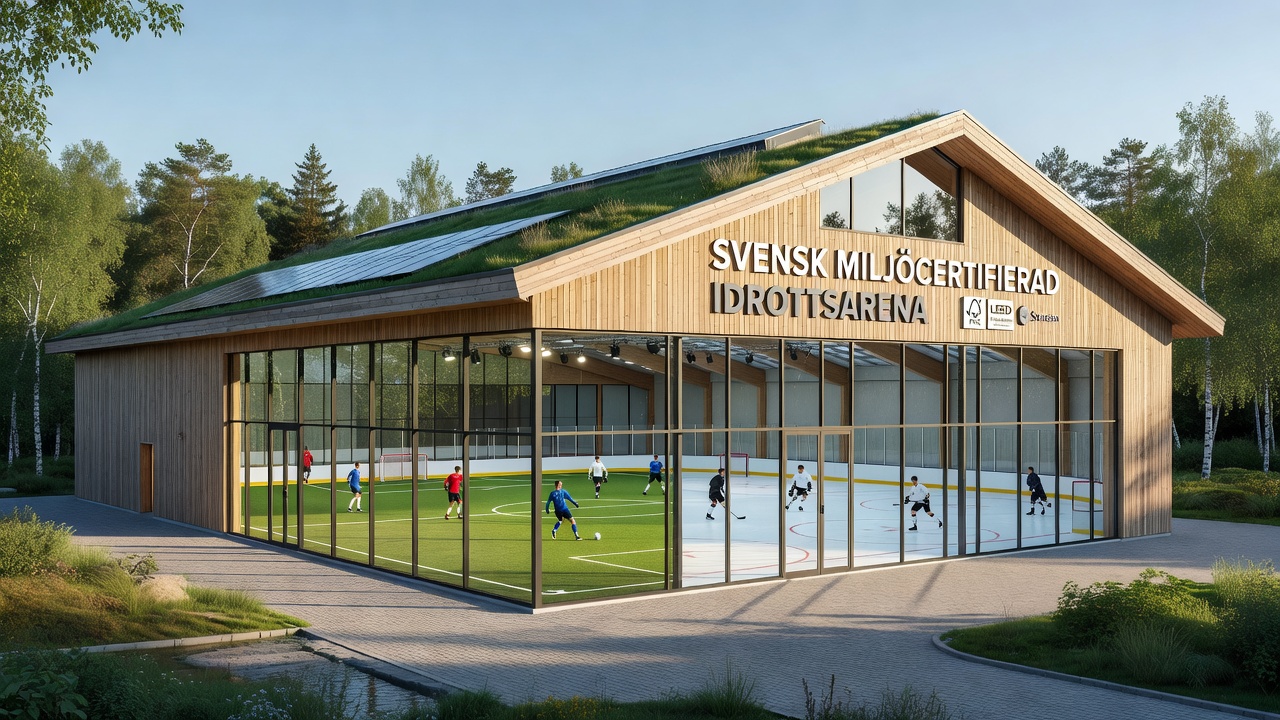
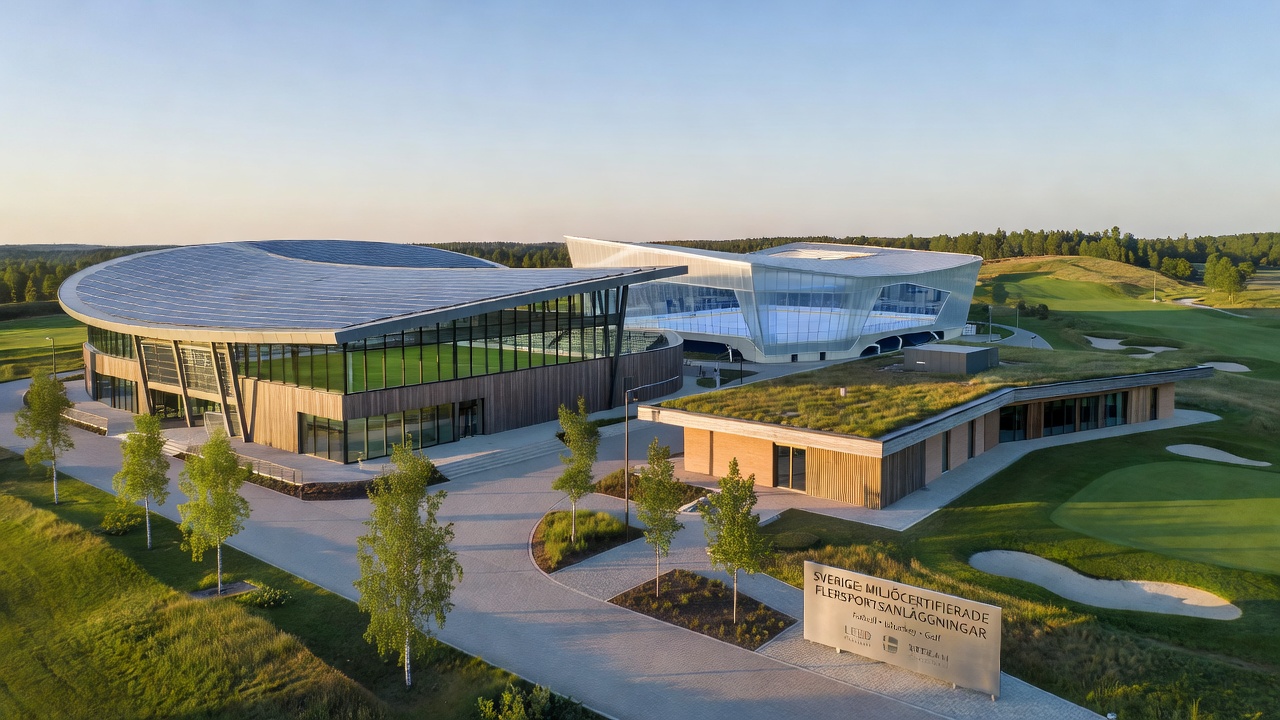
What's interesting is how multi-sport complexes combine requirements across disciplines, such as shared parking structures certified for low-emission vehicle access that serve both football matches and golf tournaments on the same site. Figures from national planning authorities indicate that hybrid facilities reduce overall land consumption compared with separate developments, and certification audits verify that these efficiencies persist over multiple seasons. But here's the thing: coordination between different governing bodies for each sport adds layers of documentation that must satisfy overlapping yet distinct environmental criteria.
Implementation Across Regions and Timeline Updates
Regional variations appear in how northern venues emphasize winter energy performance while southern sites prioritize summer water conservation, with evidence from comparative studies highlighting these adaptations. Certification bodies conduct site visits and review life-cycle assessments that quantify material impacts from construction through ongoing operations, and data compiled through 2025 shows steady growth in the number of certified projects. In October 2026 updates to digital reporting platforms are expected to streamline submissions for venues undergoing simultaneous reviews for football pitches, hockey rinks, and golf greens, allowing authorities to cross-reference performance metrics more efficiently.
Academic research from institutions outside Sweden, including reports issued by Canadian sustainability networks, has examined similar certification models and found parallels in how sports facilities track long-term maintenance costs against initial certification investments. Those analyses provide context for Swedish practices without prescribing specific outcomes, and they note the role of third-party verification in maintaining consistency across different venue types.
Conclusion
Sweden's framework for embedding environmental certifications into multi-sport venue designs continues to evolve through regulatory updates, technical refinements, and cross-sport coordination, with records showing incremental progress in resource metrics across football, ice hockey, and golf facilities. The approach relies on established standards, documented performance data, and scheduled review cycles that include the October 2026 milestones, ensuring that venues meet measurable environmental benchmarks while supporting event operations. External references such as Swedish Environmental Protection Agency guidelines and studies from international research organizations supply additional data points that inform ongoing implementation without altering core certification requirements.