Seasonal Shifts: How Dual-Sport Athletes Move Between Handball Arenas, Golf Greens and Ski Trails
Skriven av Parker Vogel · 2026-08-18
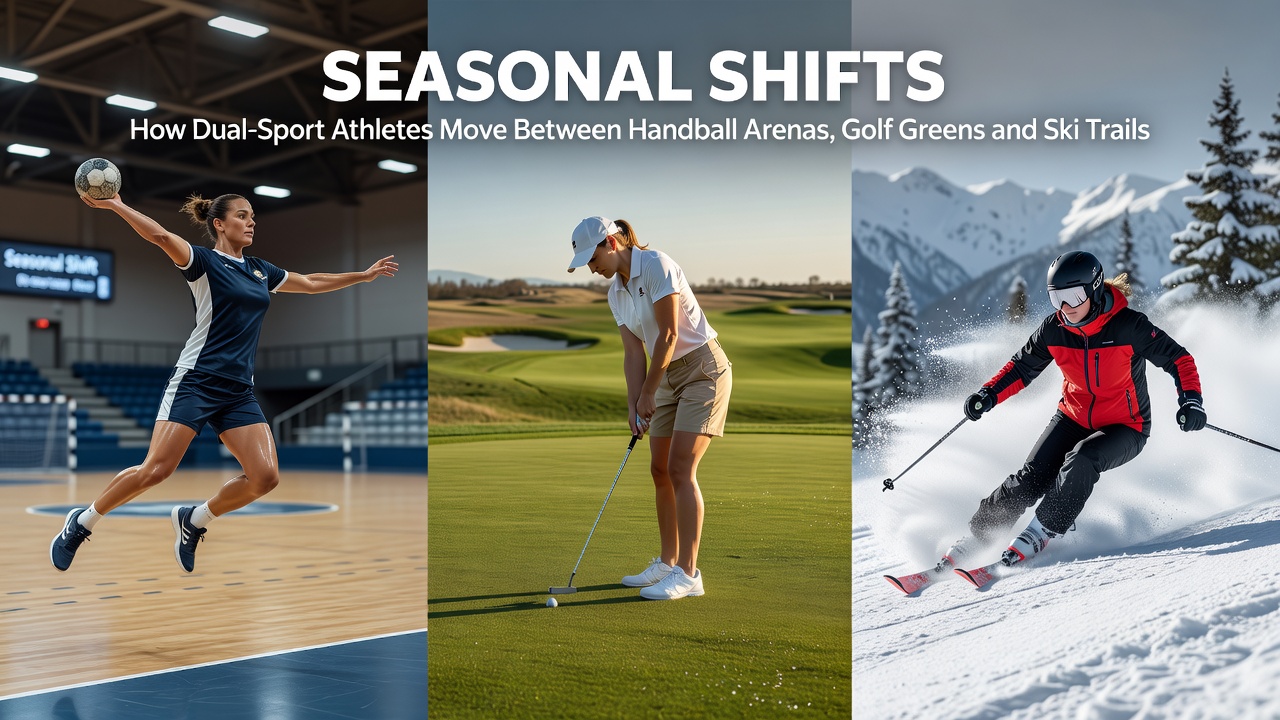
Seasonal Shifts: How Dual-Sport Athletes Move Between Handball Arenas, Golf Greens and Ski Trails
Dual-sport athletes maintain competitive schedules across handball arenas, golf courses and ski slopes by aligning training blocks with each sport's calendar demands; handball leagues typically run from autumn through spring, golf tournaments peak in warmer months, and skiing events concentrate in winter, which creates overlapping windows that require precise periodization. Athletes in these combinations adjust cardiovascular capacity, muscle recruitment patterns and recovery protocols as they shift surfaces and movement types.
Calendar Alignment and Training Blocks
Handball seasons in European leagues occupy roughly September to May, which forces golf preparation into shorter summer windows and skiing conditioning into dedicated fall and winter segments. Researchers at the Norwegian School of Sport Sciences documented how athletes divide annual cycles into three distinct phases, each emphasizing sport-specific energy systems while preserving general fitness through cross-training. Data from the International Olympic Committee indicates that multi-sport participants who follow structured blocks reduce overuse injury rates by approximately 18 percent compared with those who maintain year-round single-sport loads.
Physiological Adaptations Across Surfaces
Handball requires repeated explosive lateral movements and vertical jumps on indoor parquet, whereas golf demands rotational power and postural stability on grass or turf. Skiing adds eccentric loading through snow contact and balance demands at speed. Studies published in the Journal of Sports Sciences show that athletes develop hybrid lower-body strength profiles, with quadriceps and gluteal activation patterns that differ measurably between the three disciplines. Blood lactate thresholds improve when training alternates between high-intensity interval sessions suited to handball and steady-state endurance work used in skiing preparation.
Mid-Season Transitions in Practice
One documented case involved a Norwegian competitor who completed a handball league final in late April, then transitioned to golf qualifiers within six weeks; the schedule required progressive reduction of contact drills and introduction of swing mechanics while maintaining leg power. August 2026 marks the start of several handball pre-season camps across Scandinavia, which athletes combining golf and skiing use to rebuild anaerobic capacity before winter snow arrives. Equipment logistics become critical, because protective handball footwear differs entirely from spiked golf shoes and ski boots.
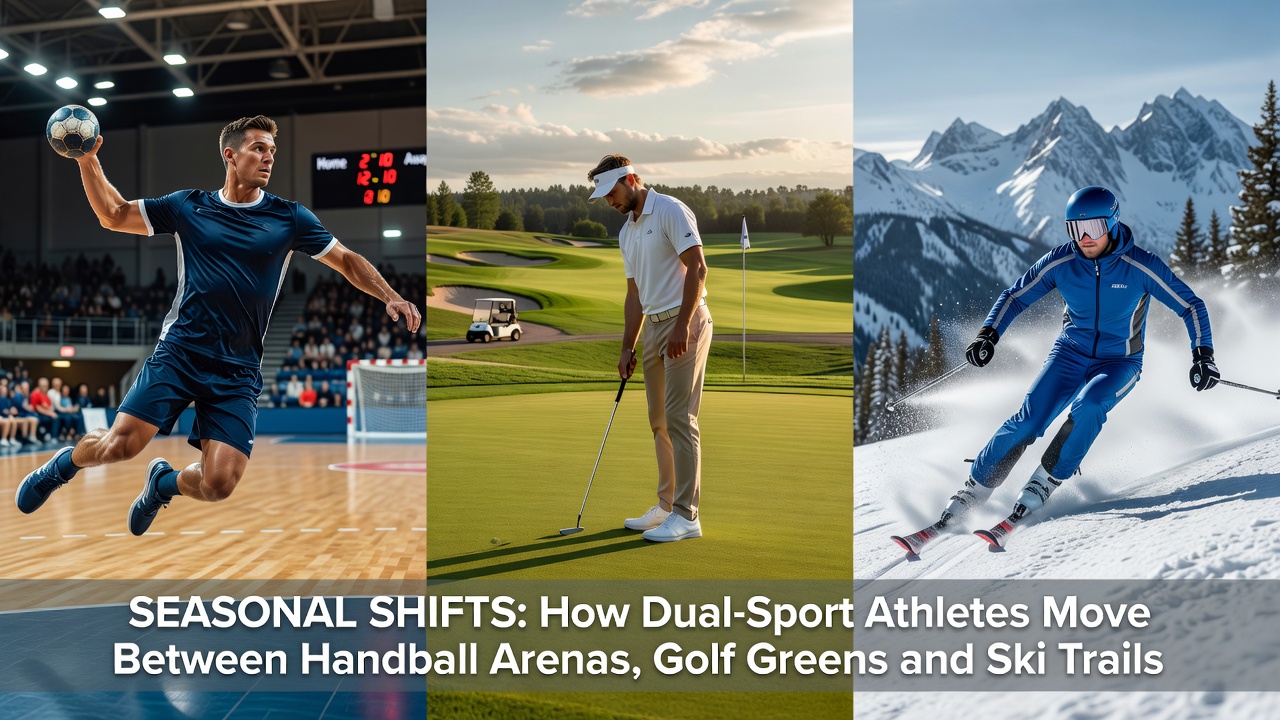
Recovery and Nutrition Strategies
Recovery timelines compress when athletes finish one season and begin another; sports medicine teams at the Australian Institute of Sport report that sleep optimization and targeted protein intake help maintain muscle mass during rapid shifts. Cryotherapy and compression protocols appear in handball recovery logs, while golf specialists emphasize joint mobility work that also supports skiing posture. Nutritional timing adjusts because handball matches create high glycogen depletion, golf rounds involve prolonged low-intensity effort, and skiing adds altitude considerations in some training venues.
Coaching and Support Structures
Coaches coordinate across disciplines by sharing athlete monitoring data through digital platforms; heart-rate variability and GPS load metrics allow adjustments before fatigue accumulates. The European Handball Federation and the International Ski Federation have issued joint guidelines on multi-sport licensing that require medical clearance and training load documentation. Academic programs at the University of Calgary track similar cohorts and note that athletes who maintain two coaches plus one strength specialist show higher retention rates in competitive dual careers.
Conclusion
Seasonal movement between handball, golf and skiing rests on structured periodization, measurable physiological adaptations and coordinated support systems. Athletes who align calendars with objective performance data sustain participation across all three environments without disproportionate injury risk. Continued monitoring through established sports science channels will refine these transition models as calendars evolve.