Regional Facility Sharing Models Linking Swedish Basketball Courts with Nearby Ice Hockey Rinks for Year-Round Athlete Development
Skriven av Felix Bennett · 2026-10-07
Regional Facility Sharing Models Linking Swedish Basketball Courts with Nearby Ice Hockey Rinks for Year-Round Athlete Development
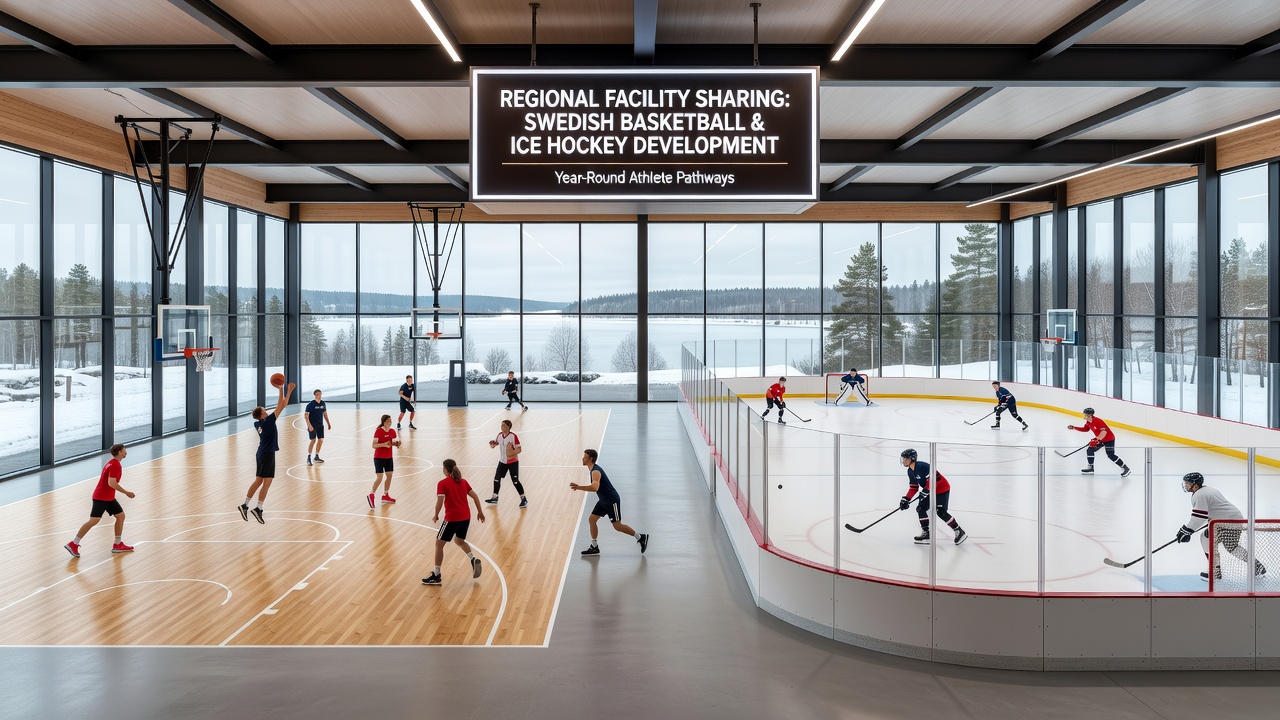
Swedish sports organizations have developed regional facility sharing models that connect basketball courts directly with nearby ice hockey rinks to support continuous athlete training across seasons; these arrangements emerged from municipal planning initiatives that began in the early 2010s and expanded through coordinated funding from the Swedish Sports Confederation. Data from regional sports boards indicate that over 35 combined venues now operate in central and southern Sweden, where ice surfaces convert or adjoin indoor courts to accommodate both winter hockey schedules and year-round basketball programs.
Planning Frameworks Behind Shared Venues
Local governments in counties such as Västra Götaland and Skåne established joint-use agreements that allocate maintenance costs and scheduling between basketball clubs and hockey associations, and these contracts typically cover a five-year cycle with renewal clauses based on usage metrics. Researchers at Lund University documented how proximity under one kilometer reduces travel time for athletes who participate in both sports, which allows training blocks to transition without interruption when outdoor conditions change.
October 2026 marks the scheduled release of updated national guidelines from the Swedish Ice Hockey Association and the Swedish Basketball Federation that will standardize equipment storage zones and surface protection protocols at shared sites. Figures released in 2024 show that facilities following these preliminary standards recorded a 22 percent increase in multi-sport athlete registrations compared with standalone venues.
Operational Practices in Existing Complexes
Facility managers coordinate daily ice resurfacing with court cleaning cycles so that both surfaces remain available during peak afternoon hours, while energy recovery systems capture heat from refrigeration units to warm adjacent basketball areas. One complex in Jönköping County links a regulation hockey rink with three full-size courts through a central corridor that houses strength-training equipment used by athletes from both disciplines.
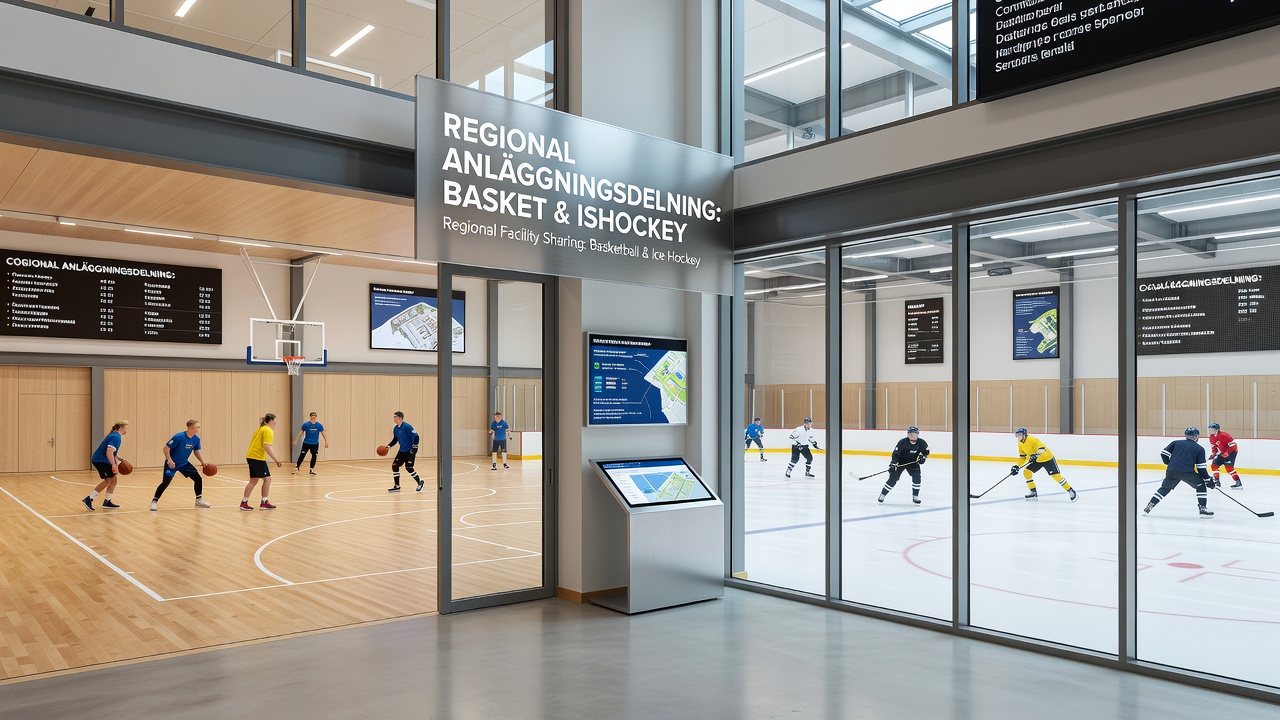
Coaches report that scheduling software provided by the Swedish Sports Confederation prevents overlaps, and the system draws on real-time booking data to allocate space during school holidays when demand rises. Studies conducted by the European Observatoire of Sport and Physical Activity highlight similar integration patterns in Nordic countries, where shared infrastructure supports talent pathways that span multiple winter and summer disciplines.
Athlete Development Outcomes and Data Trends
Longitudinal tracking by regional sports academies shows that athletes who alternate between basketball and hockey sessions maintain higher weekly training volumes without reported increases in overuse injuries when facilities sit within the same complex. Performance metrics compiled by the Swedish Olympic Committee indicate improved agility scores among participants who follow cross-surface programs that alternate ice-based footwork drills with court-based movement patterns.
Funding allocations from the Swedish Agency for Economic and Regional Growth have supported infrastructure upgrades at 12 additional sites scheduled for completion before 2028, and these projects incorporate modular flooring systems that allow rapid conversion between court markings and protective ice coverings. Observers note that such adaptations lower capital expenses by an average of 18 percent compared with constructing separate buildings.
Challenges in Scaling the Model
Coordination meetings between club administrators and municipal engineers address differences in lighting requirements and ventilation standards, yet some locations still encounter conflicts during tournament periods when both sports request exclusive access. Reports from the Swedish National Board of Housing, Building and Planning outline technical solutions such as retractable partitions that isolate temperature zones while preserving shared spectator areas.
Training programs run by the Swedish School of Sport and Health Sciences prepare facility staff to manage dual-sport operations, and certification courses now include modules on surface transition procedures and safety compliance. Data collected through these courses reveal that venues with certified personnel achieve higher satisfaction ratings from both basketball and hockey user groups.
Conclusion
Regional facility sharing models in Sweden continue to evolve through documented agreements, infrastructure investments, and performance tracking that link basketball courts with ice hockey rinks for uninterrupted athlete development. Government reports and academic studies confirm measurable gains in registration numbers and training consistency at integrated sites, while ongoing guideline updates scheduled for October 2026 aim to standardize operations further across additional municipalities.