Ball Sports Crossover: Football Techniques Enhancing Handball and Basketball Strategies
Skriven av Felix Bennett · 2026-08-25
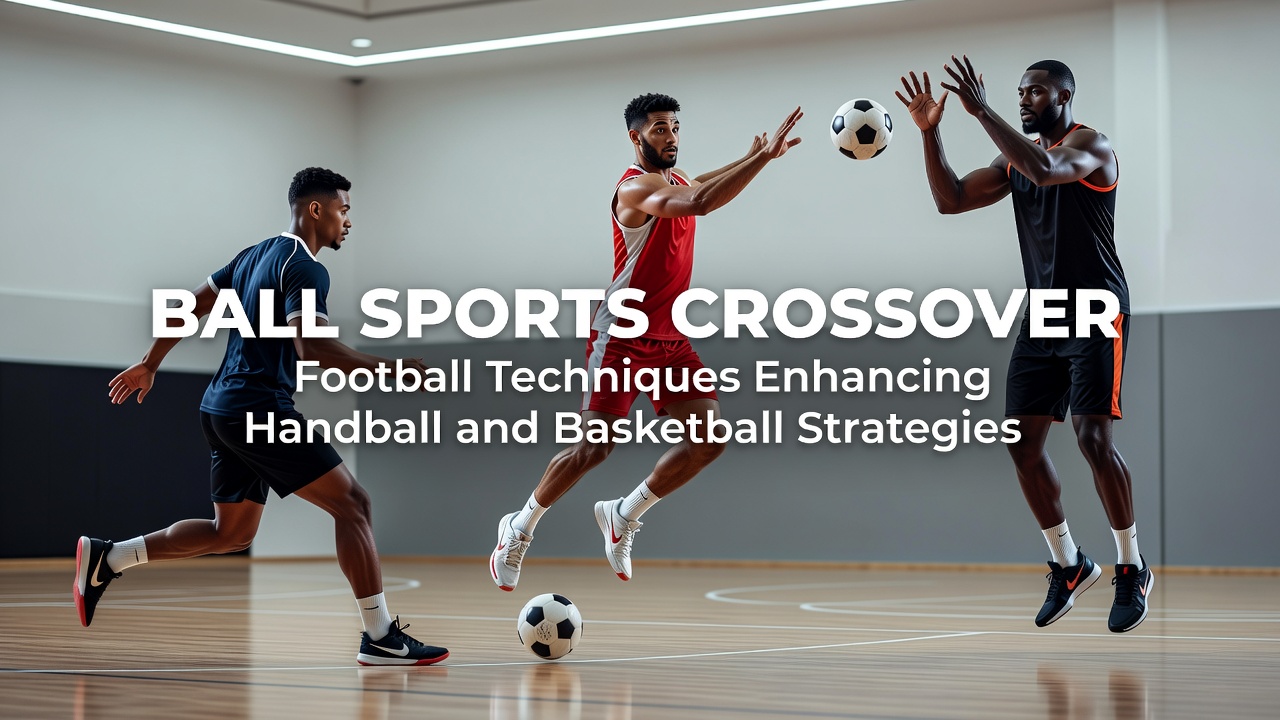
Ball Sports Crossover: Football Techniques Enhancing Handball and Basketball Strategies
Football techniques continue to shape strategies across handball and basketball because players transfer core skills such as precise foot positioning, rapid directional changes, and spatial awareness directly into these sports, and data from multiple performance studies confirm measurable gains in agility metrics when athletes incorporate soccer-derived drills. Researchers at sports science institutions have tracked how soccer players who cross over bring enhanced balance during lateral movements, which translates into better defensive slides in basketball and quicker pivots during handball attacks, while coaches integrate these elements into seasonal programs that run through the summer months leading into major competitions.
Footwork Adaptations From Soccer to Court Sports
Football emphasizes close control with the feet and explosive changes in direction, and these elements appear in basketball when guards use soccer-style step-overs to create separation from defenders before driving to the basket; similar patterns show up in handball where wing players adopt inside cuts learned on the pitch to beat fullbacks on the fast break. Studies conducted by European training centers indicate that athletes who spend at least two sessions per week on football-specific cone drills improve their change-of-direction times by measurable percentages, and this advantage compounds during high-pressure moments in both indoor sports because the neuromuscular patterns transfer without requiring complete relearning. Observers note that teams preparing for events scheduled in August 2026 have begun incorporating these hybrid sessions earlier in the calendar to allow adaptation periods before qualification cycles intensify.
Passing and Vision Transfer Between Pitch and Court
Football develops peripheral vision and weighted passing that reduce turnovers under pressure, and basketball point guards who train with soccer balls report higher assist-to-turnover ratios according to figures released by university performance labs; the same principle applies in handball where circle runners use soccer-like through-balls to find open shooters on the wing. Data collected across multiple seasons shows that players exposed to football passing sequences execute more accurate long-range deliveries in handball because they learn to scan the field while maintaining balance, and this scanning habit carries over when basketball teams run transition offenses that mirror counter-attacks seen on the pitch. What's interesting is how these transfers occur naturally when athletes participate in mixed-sport camps that combine elements from all three games without forcing artificial drills.
Defensive Positioning and Anticipation Skills
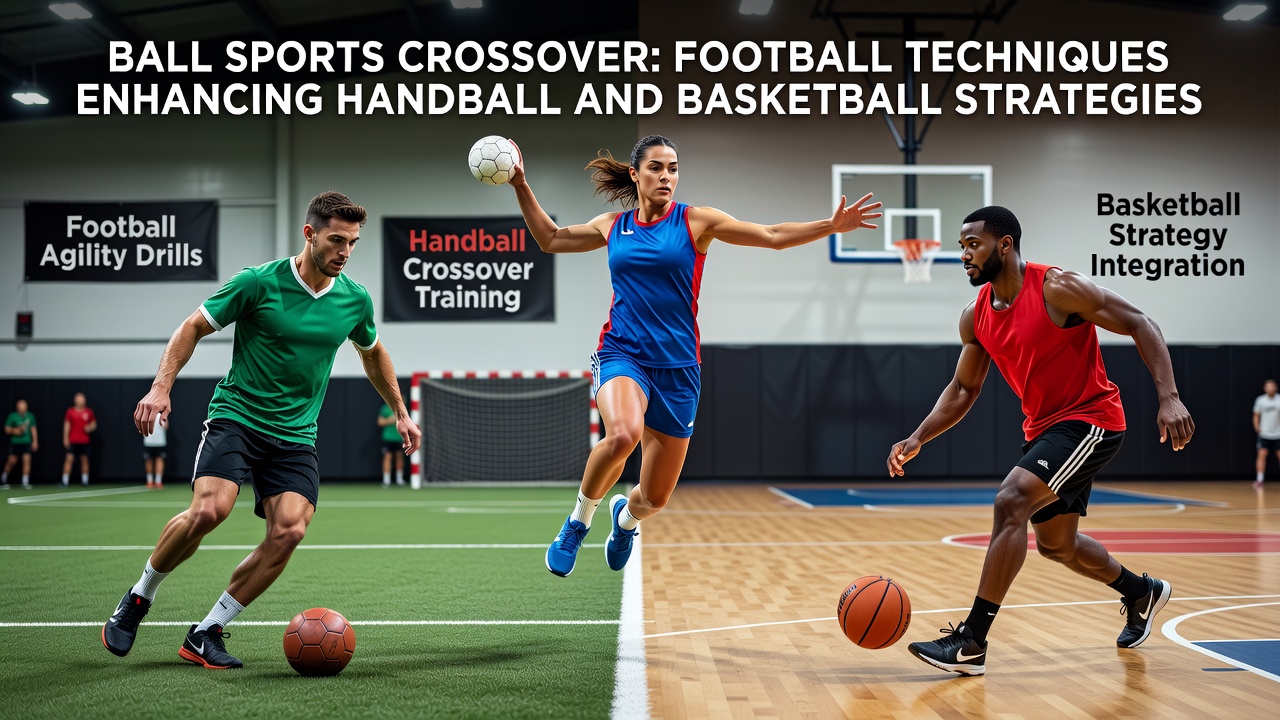
Defenders in football read body angles and anticipate ball trajectories, and these abilities strengthen basketball perimeter defense when players mirror attackers using soccer-style jockeying techniques instead of reaching; handball goalkeepers similarly benefit because they adopt low stances and quick reactions developed through football penalty practice. Research published by academic groups in North America and Australia demonstrates that athletes combining football and court sports display improved reaction times during simulated game scenarios, and this edge becomes particularly relevant during congested fixture periods when recovery windows shrink. Teams preparing schedules around 2026 tournaments have started documenting these improvements through wearable technology that captures movement data across training blocks.
Training Integration and Cross-Sport Programs
Coaches design sessions that blend football rondos with basketball closeouts and handball small-sided games so athletes develop overlapping motor patterns without separate practice blocks, and this integrated approach reduces overall training volume while maintaining skill development. Evidence from collaborative studies between institutions in Canada and the European Union indicates that mixed-sport athletes maintain higher motivation levels across long seasons because variety prevents burnout, and the resulting consistency shows up in performance statistics tracked by national federations. Programs now schedule these crossover modules during off-season periods that extend into early summer so players arrive at August 2026 preparation camps with refined technique rather than starting from baseline drills.
Conclusion
The crossover of football techniques into handball and basketball continues to expand as performance data accumulates and training methodologies evolve, with athletes gaining measurable advantages in footwork, passing accuracy, and defensive anticipation when programs deliberately connect skills across the three sports. Organizations responsible for elite development track these trends through ongoing research partnerships, and the patterns established now will shape preparation cycles ahead of major events scheduled for 2026 and beyond.